Guide
Generative art posters: original wall art, drawn by code
Generative art is made from rules: an artist writes the rules, and the computer does the drawing. DT Posters hands those rules to you. Pick a style, nudge it, and every version you make is a new original.
What generative art is
Generative art is older than most people think. In 1965 Georg Nees, Frieder Nake and A. Michael Noll showed drawings made by computers and pen plotters. Vera Molnár spent decades making art from simple rules and a dose of chance. The idea has stayed the same: describe how a picture should grow, let the machine draw it, then judge the result like any other artwork.
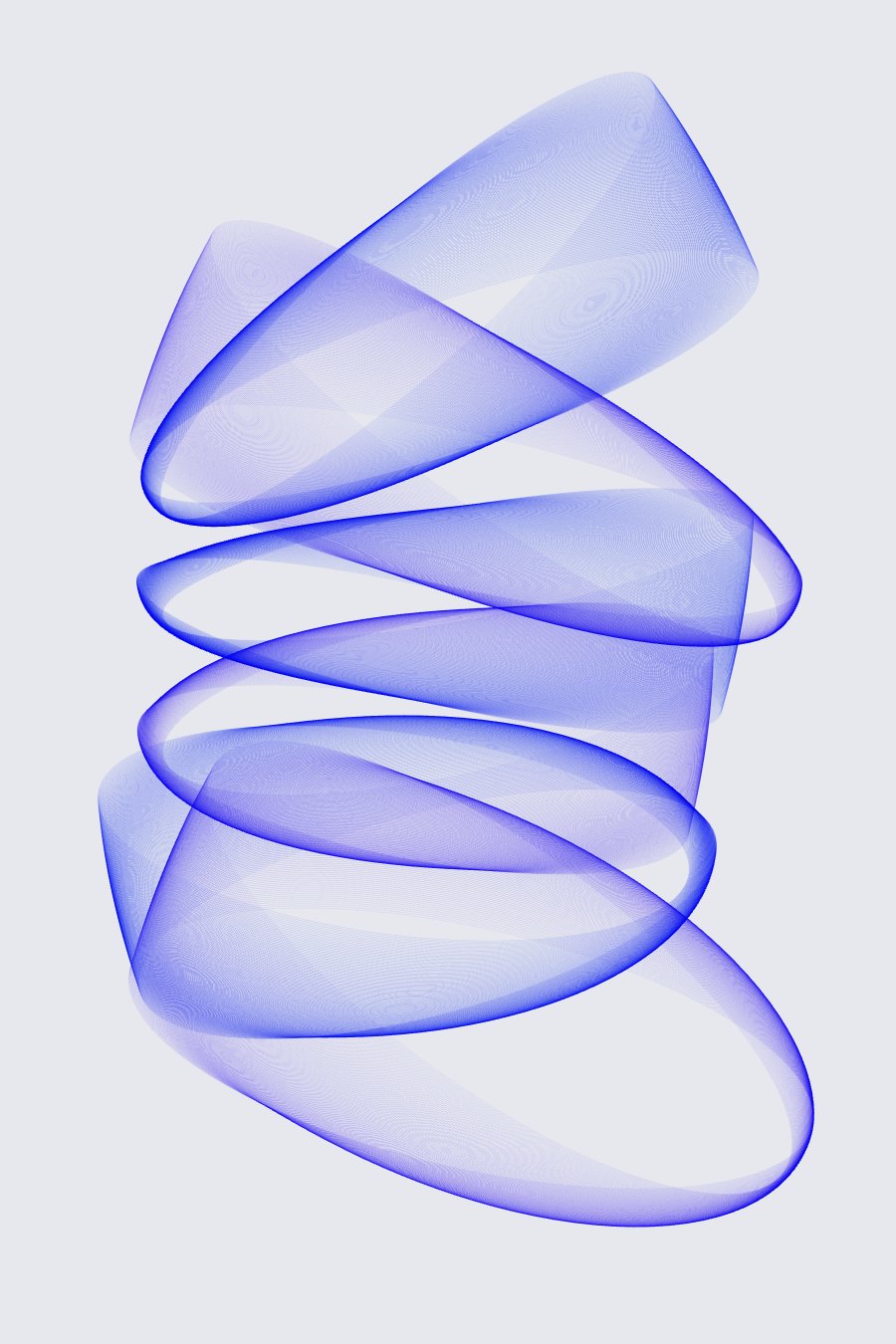
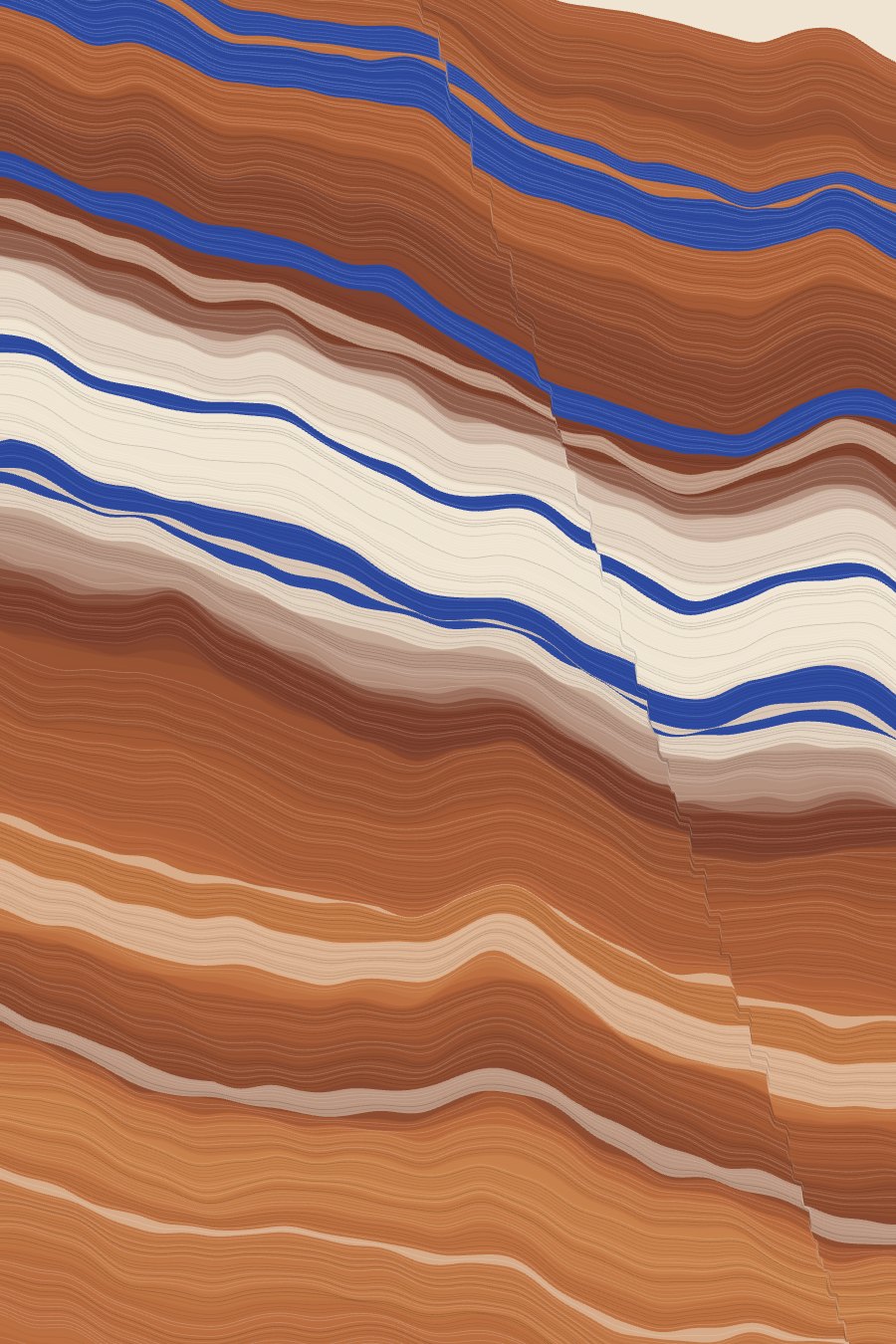
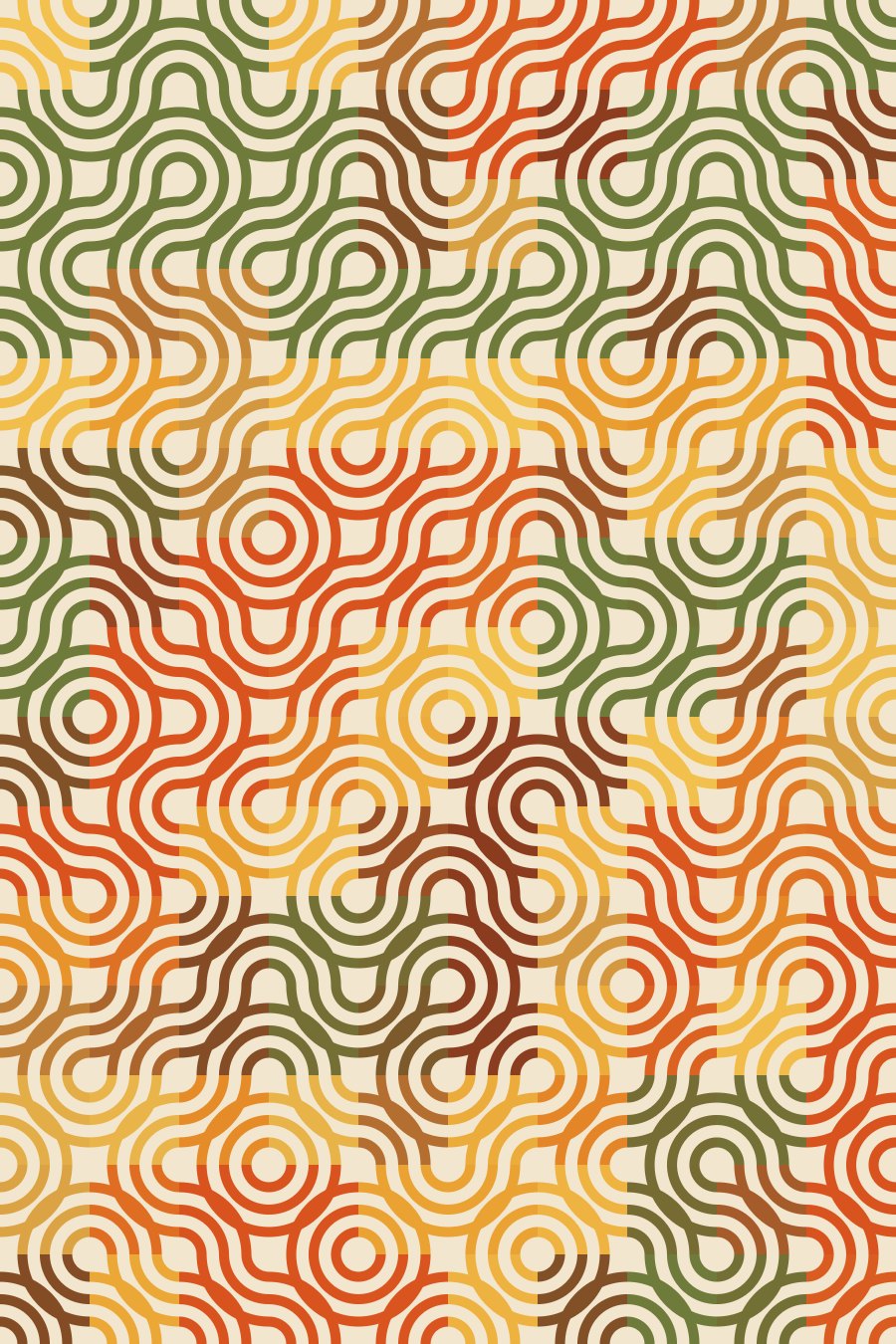
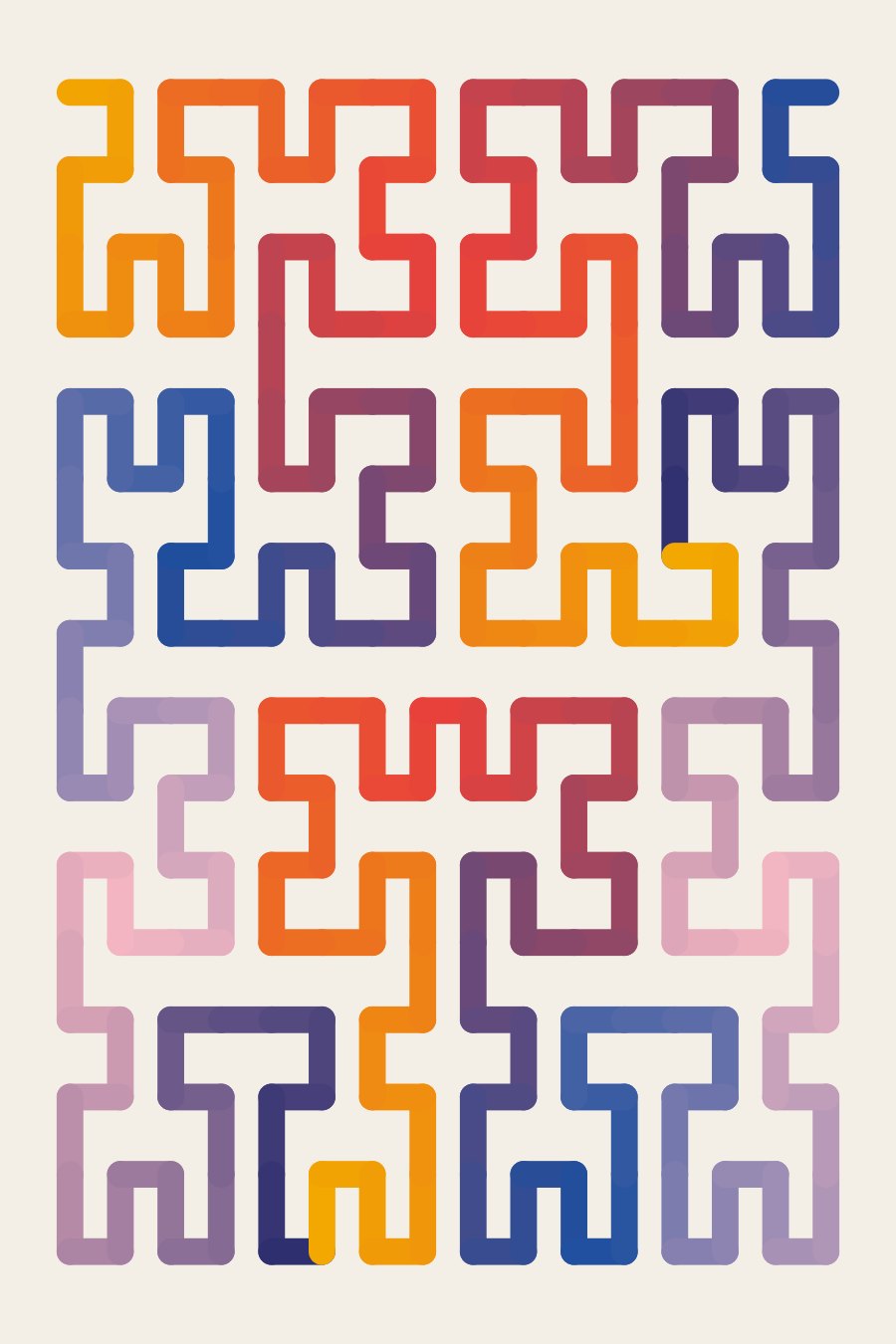
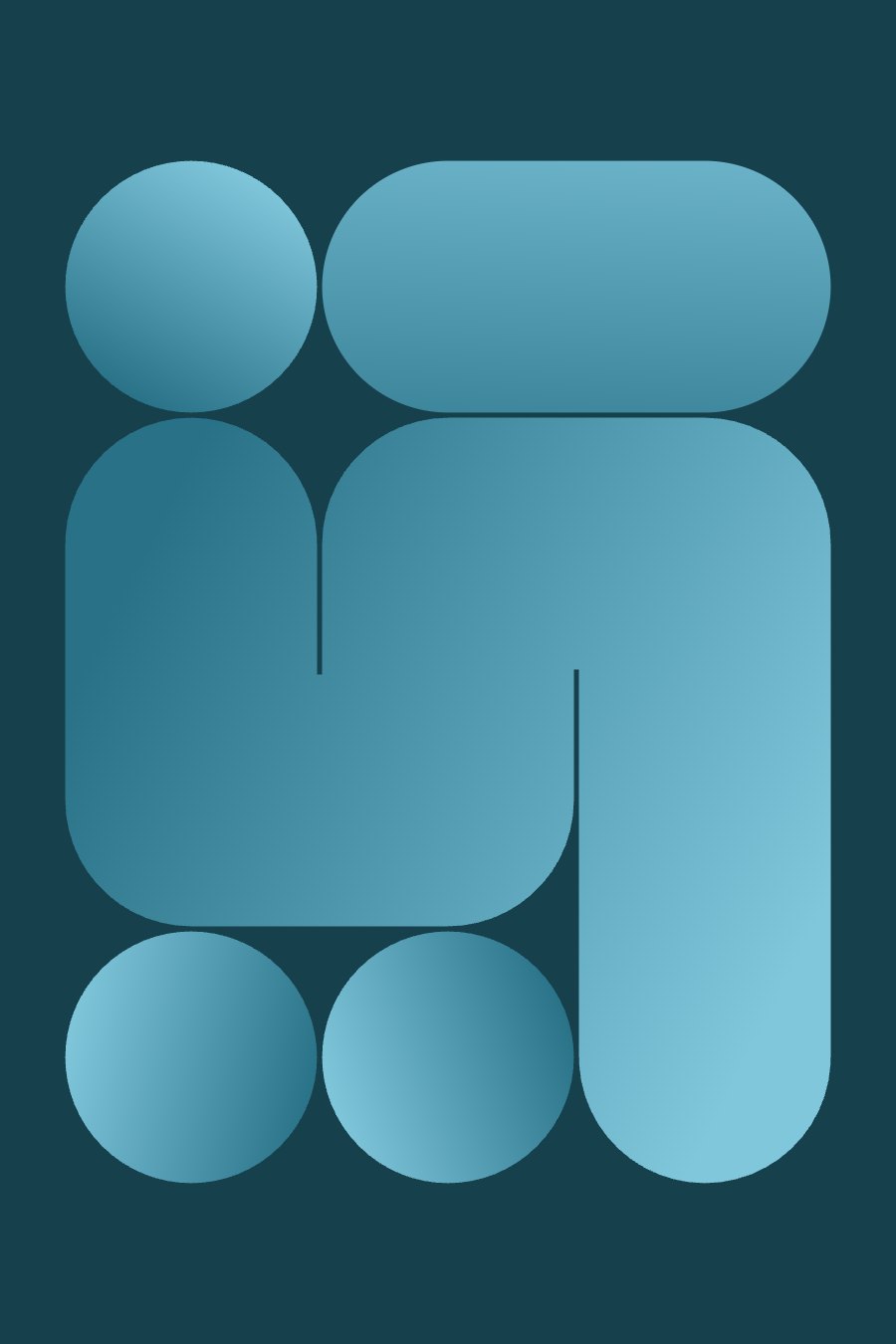
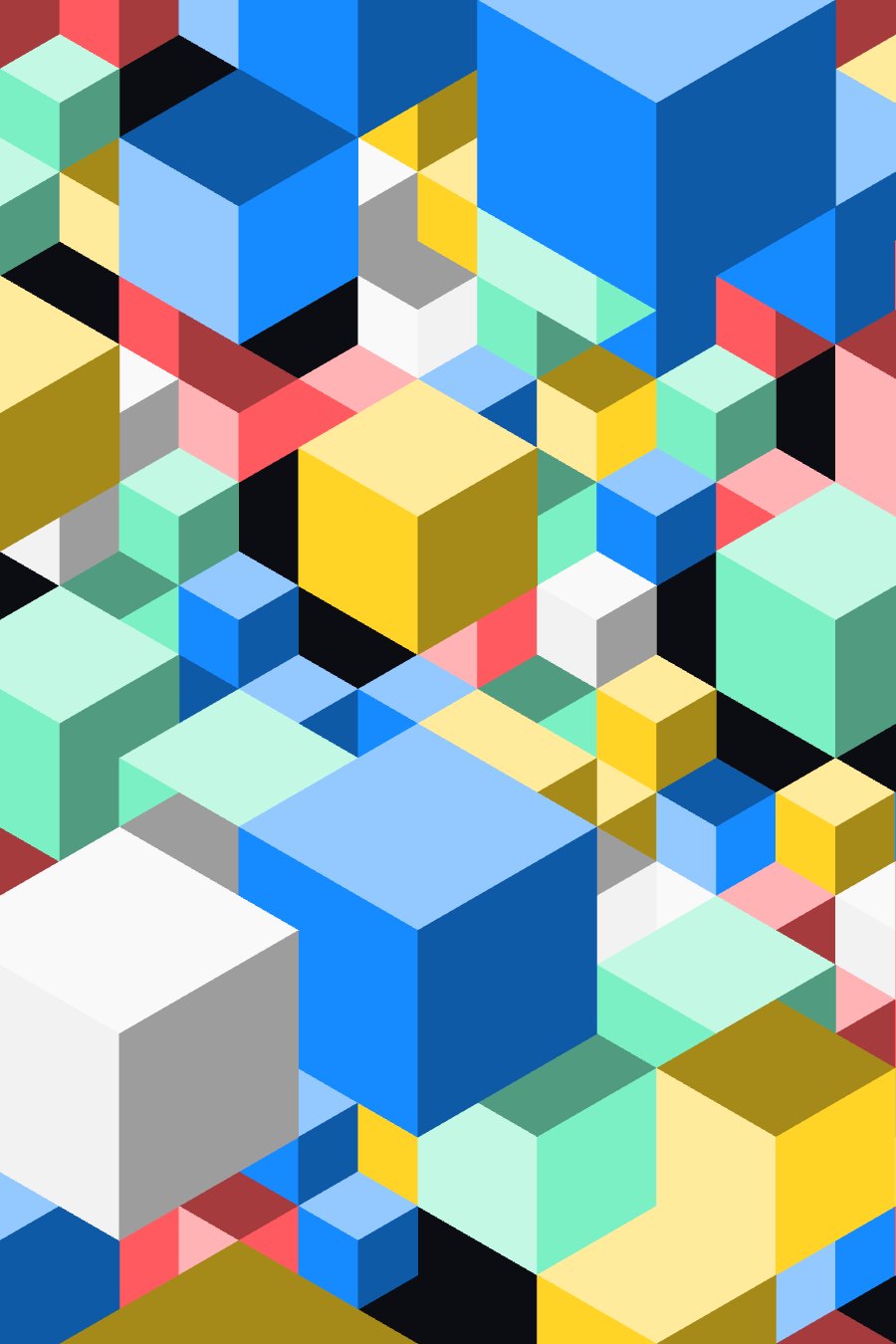
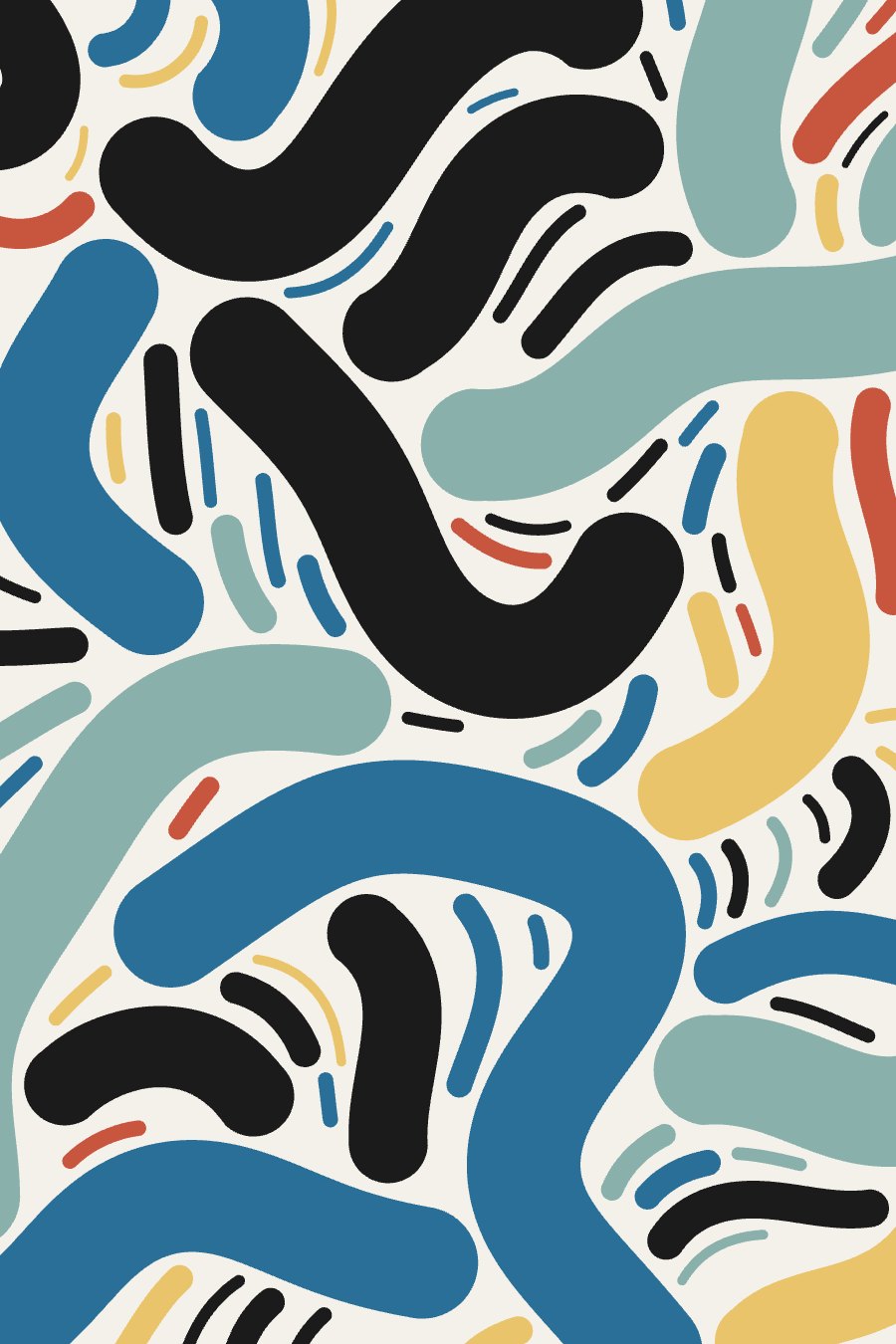
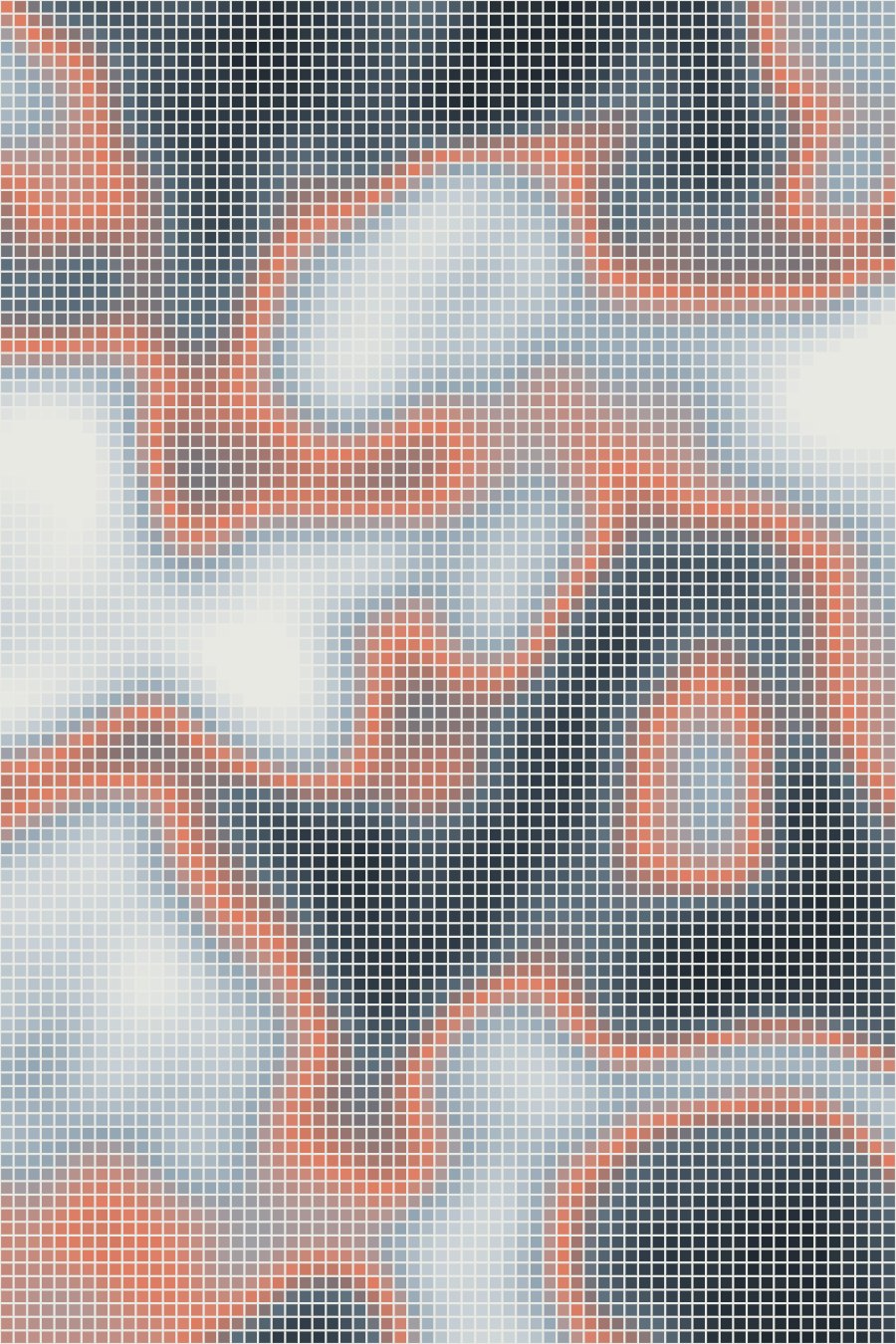
Each DT Posters style is one of those rule sets, hand-written and tuned by eye. Veils layers thousands of fine lines into translucent ribbons. Strata lays down sediment and folds it like rock. Hilbert traces a curve that visits every cell of a grid without crossing itself. Truchet rotates a few simple tiles into patterns that look woven.
Not AI, and why that matters
No model was trained on other artists' work to make these. Every style is a written algorithm, and the same settings always draw the same picture. That's why the print you receive matches the preview you approved, line for line, and why your design can be yours alone: make a new version and nobody has seen it before.
How you make one
Choose a style, then play: switch between its looks, try its colourways, rotate the colours, and slide a few controls. New version draws a fresh original each time, and your recent versions stay in a strip so you can go back. Want a pair or a trio? Prints in a set share a palette and a look but each one gets its own composition, and you can lock the ones you love while you reshuffle the rest.
Why it works on a wall
Abstract compositions sit well in almost any room, and because you choose the palette you can pull colours from a sofa, a rug or a painted wall. The studio shows your poster at true scale above real furniture, in sizes from 12×18 to 24×36 inches, so you can judge the size before you order.
Sharp at every size
Nothing is enlarged from a small picture. When you order, your design is drawn again at full print size, up to 4800 × 7200 pixels for a 24×36 in poster, so fine lines stay crisp and gradients stay smooth. Zazzle prints it on semi-gloss poster paper and ships it.
Questions
Is this AI art?
No. Each style is a hand-written algorithm. Nothing is trained on other artists' work, and the same settings always draw the same picture.
Will anyone else have my poster?
Every new version is drawn from a fresh random seed, so unless you share your design, nobody else will have it.
What sizes can I order?
12×18, 16×24, 20×30 and 24×36 inches, printed on semi-gloss poster paper by Zazzle.
Will it look pixelated when printed?
No. Your design is drawn again at full print size when you order (up to 4800×7200 pixels for 24×36), not enlarged from the preview.
Make one that's yours
Pick a style, play until it feels right, and see it on a wall at true size. It takes a minute.
Make my one-of-a-kind print →